November 5, 2026
A dependable fire alarm system plays an important role in protecting your home, property, and loved ones. Fires can spread rapidly, making early detection essential for providing occupants with time to evacuate. At TDK Enterprises, Inc, we understand the importance of maintaining reliable fire detection equipment through professional inspections and maintenance.
According to Ready.gov, in less than 30 seconds, a small flame can turn into a major fire. This demonstrates why functioning detection equipment is essential for residential safety. Working with experienced fire alarm companies helps homeowners identify equipment concerns, address maintenance needs, and maintain effective fire protection.
Understanding how inspections support system performance can help property owners make informed decisions about protecting their homes.
Understanding the Components of Fire Alarm Systems
Fire alarm systems contain several interconnected components designed to detect potential threats and notify occupants. Each component serves a specific purpose, making professional evaluations essential for dependable operation.
Identifying Different Detection Devices
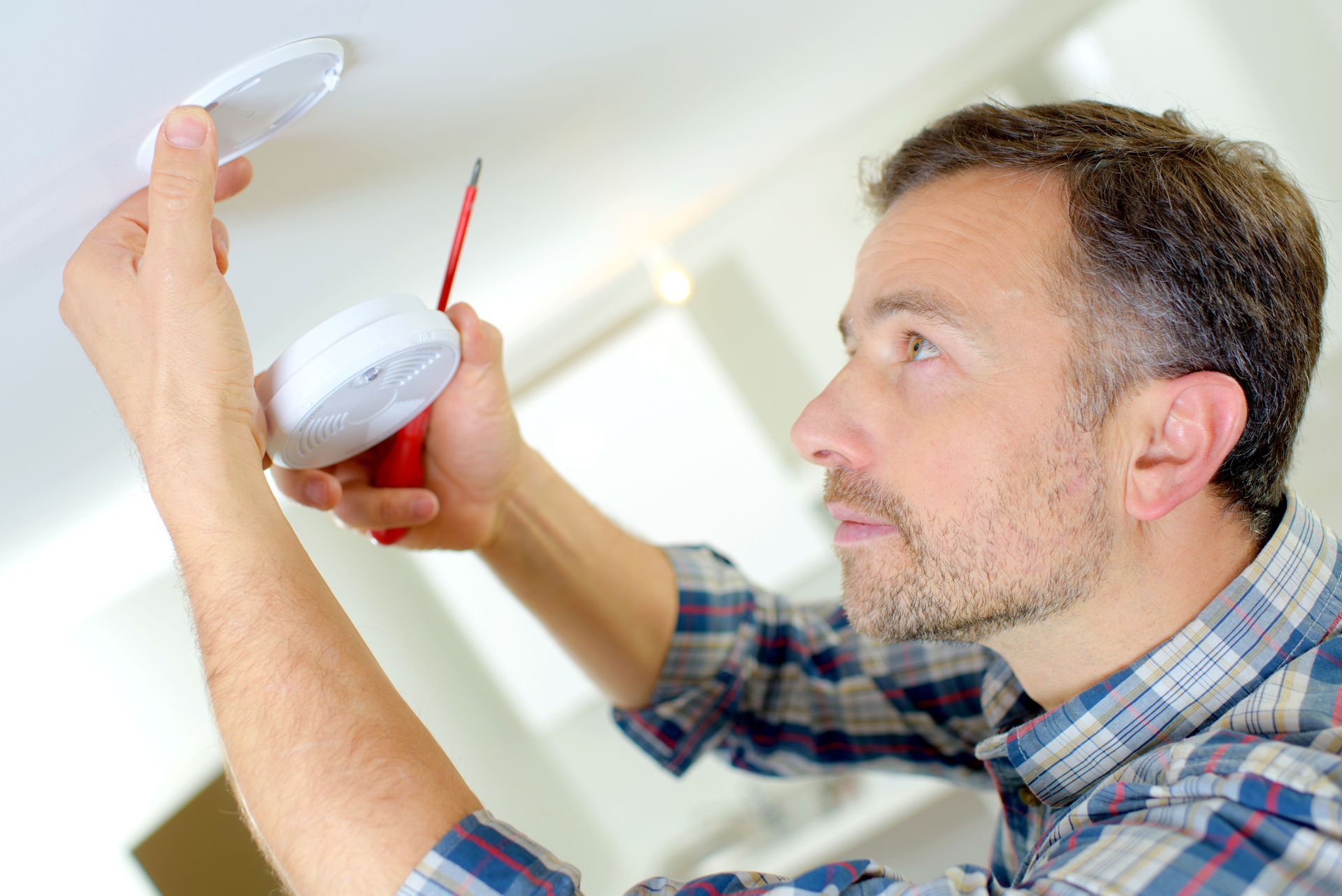
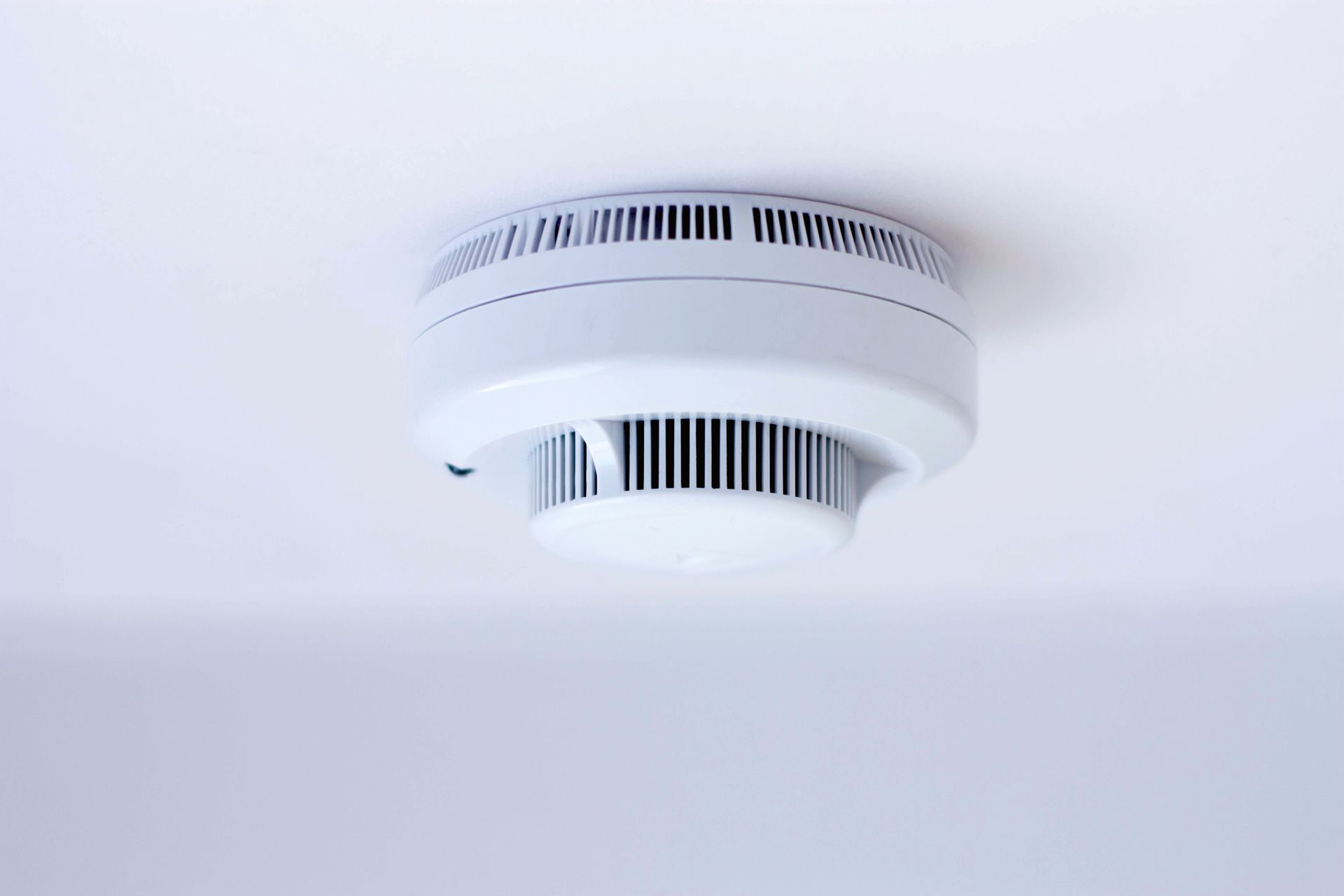
Smoke detectors identify airborne particles associated with fires, while heat detectors respond to specific temperature conditions. Some residential properties also feature interconnected alarms that activate throughout the home when one device detects a potential threat.
Carbon monoxide detectors provide protection against dangerous gas exposure, although they serve a different purpose from fire detection devices.
Professional fire alarm companies can evaluate existing equipment and recommend appropriate detection solutions based on property requirements.
Understanding Control Panel Functions
In systems equipped with control panels, these components receive signals from detection devices and coordinate alarm responses. Depending on the equipment, control panels may activate audible notifications, visual warnings, or monitoring communications.
Malfunctioning connections or control equipment can interfere with these processes. Professional technicians evaluate system communication and operating conditions to identify potential performance concerns.
Recognizing Notification System Requirements
Detection equipment must provide clear warnings when hazardous conditions develop. Audible alarms and interconnected notification devices help alert occupants throughout a property.
Professional inspections determine whether notification components function as intended. This evaluation is particularly valuable in larger homes where residents may occupy separate floors or distant rooms.
Understanding the Risks of Neglected Fire Alarm Maintenance
Fire alarm equipment can deteriorate over time, potentially compromising its ability to respond during emergencies. Regular professional maintenance helps identify concerns before they develop into serious problems.
Preventing Unexpected Equipment Failures
Detection devices may experience electrical faults, battery problems, sensor contamination, or age-related deterioration. These issues can affect performance without producing obvious warning signs.
An alarm that fails during an emergency can delay evacuation and increase exposure to dangerous conditions.
Working with established fire alarm companies provides access to professional evaluations that identify potential equipment failures and recommend necessary corrective services.
Reducing Potential Property Damage
Early detection helps occupants recognize emergencies and contact first responders sooner. When alarm equipment fails, fires may spread before residents become aware of the danger.
Property damage can involve structural repairs, damaged belongings, and temporary relocation expenses.
Although no detection system can prevent every fire-related loss, dependable equipment supports timely emergency awareness and evacuation.
Addressing Fire Safety Compliance
Fire safety requirements vary according to property type, location, and applicable regulations. Certain systems require documented inspections, professional testing, or scheduled maintenance.
Neglecting applicable requirements can create compliance concerns and potential liability.
Professional guidance helps property owners understand relevant obligations while maintaining appropriate equipment performance and inspection records.
Exploring the Benefits of Professional Fire Alarm Inspections
Professional inspections help identify system deficiencies, evaluate equipment reliability, and determine whether repairs or replacements are necessary.
Identifying Problems Before Failure
Qualified technicians examine detection devices, electrical connections, control equipment, and notification components for potential problems.
An inspection may uncover aging equipment, damaged connections, or communication issues that require attention.
Experienced fire alarm companies use appropriate testing procedures to evaluate equipment conditions and recommend solutions before problems compromise system performance.
Improving System Reliability
Fire detection equipment must operate correctly when hazardous conditions occur. Professional testing helps determine whether components communicate properly and activate expected notifications.
Regular evaluations also allow technicians to investigate recurring problems and review previous service concerns.
Maintaining consistent inspection schedules supports reliable operation and helps homeowners understand their equipment's condition.
Supporting Equipment Longevity
Fire alarm components have limited service lives, and replacement requirements vary by equipment type.
Professional maintenance helps identify deterioration and determine whether individual components remain suitable for continued operation.
Timely servicing can reduce avoidable equipment problems while helping property owners plan future replacement expenses.
Understanding the Professional Inspection Process
Knowing what professional inspections involve helps homeowners recognize the importance of qualified technicians and consistent maintenance schedules.
Establishing Appropriate Service Schedules
Inspection requirements depend on manufacturer recommendations, installed equipment, and applicable safety standards.
Household smoke alarms may have different maintenance requirements from interconnected systems with centralized control equipment.
Professional fire alarm companies can help property owners determine appropriate inspection intervals and address concerns when equipment displays unusual behavior.
Evaluating Essential System Components
During inspections, qualified technicians examine relevant devices using procedures appropriate for the installed system.
Depending on equipment specifications, evaluations may include detector testing, control panel assessments, communication checks, and notification equipment examinations.
Specialized instruments help technicians identify problems that may not be visible during ordinary observation.
Electrical troubleshooting, equipment modifications, and technical repairs should remain the responsibility of qualified professionals.
Documenting Inspection Findings
Professional inspection reports provide valuable information about equipment conditions, testing results, and recommended services.
Documentation helps homeowners understand recurring concerns, monitor maintenance history, and prepare for future equipment needs.
Certain properties may also require inspection records to demonstrate compliance with applicable requirements.
At TDK Enterprises, Inc, we recognize the importance of clear communication when helping property owners understand fire safety concerns.
Understanding the Value of Professional Maintenance
Professional fire alarm maintenance offers technical expertise and systematic evaluations that support dependable equipment performance.
Providing Specialized Technical Expertise
Fire alarm systems contain components requiring knowledge of electrical connections, detection technology, and safety requirements.
Qualified technicians understand how these elements interact and can investigate potential malfunctions using appropriate diagnostic methods.
Reputable fire alarm companies provide evaluations that extend beyond identifying visible damage or responding to warning signals.
Supporting Appropriate Repair Decisions
Professional inspections help determine whether equipment requires servicing, component replacement, or additional testing.
Rather than attempting electrical repairs or modifying detection devices independently, homeowners should rely on qualified technicians.
Professional service reduces the risk of improper adjustments that could interfere with system performance or create additional safety concerns.
Planning for Future Protection Needs
Home renovations, property expansions, and equipment upgrades can change fire detection requirements.
Existing systems may require professional evaluation to determine whether they remain appropriate for updated property conditions.
At TDK Enterprises, Inc, we believe proactive maintenance planning is an important part of maintaining dependable residential fire protection.
Exploring Advances in Fire Alarm Technology
Modern fire detection technology provides additional options for improving system communication, emergency awareness, and equipment functionality.
Evaluating Smart Alarm Features
Some modern detection systems support connected notifications that communicate potential emergencies through compatible mobile devices.
These features provide additional awareness when homeowners are away, although remote alerts do not replace functioning on-site alarms.
Professional evaluations help determine whether connected technology is appropriate for existing equipment and property requirements.
Considering Wireless Detection Equipment
Wireless fire alarm technology offers installation flexibility in properties where extensive wiring may be difficult.
However, wireless systems still require appropriate configuration, compatible components, reliable communication, and regular maintenance.
Experienced fire alarm companies can evaluate wireless equipment options and recommend suitable professional installation solutions.
Understanding Improved Detection Technology
Modern detectors may incorporate enhanced sensing capabilities designed to respond to different fire conditions and reduce certain nuisance alarms.
Advancements in communication technology also support interconnected notifications and improved equipment diagnostics.
Professional guidance helps homeowners evaluate available technology while considering compatibility, safety requirements, and long-term maintenance needs.
Protecting Your Home With TDK Enterprises, Inc
Reliable fire protection requires appropriate detection equipment, professional inspections, and consistent maintenance. Understanding system components and addressing potential problems helps homeowners maintain dependable emergency warning capabilities.
At TDK Enterprises, Inc, we understand that protecting your home and loved ones requires attention to equipment reliability. Professional evaluations help identify maintenance needs, support system performance, and provide valuable information about future equipment requirements.
When comparing fire alarm companies, homeowners should prioritize qualified professionals who understand detection technology, inspection procedures, and applicable safety standards. Investing in professional fire alarm maintenance supports long-term property protection and greater confidence in your home's safety measures.