November 14, 2026
Fire sprinkler systems play an indispensable role in safeguarding commercial and residential properties from the devastating consequences of uncontrolled blazes. Their presence not only saves lives but fundamentally mitigates catastrophic structural and operational losses. Engaging a dedicated fire sprinkler company ensures that modern buildings possess an active, immediate line of defense capable of rapid intervention. From suppressing flames at ignition to lowering long-term insurance premiums, automatic suppression systems represent the benchmark of contemporary property preservation. Understanding the multifaceted capabilities of these advanced installations reveals why property managers, general contractors, and building owners prioritize proactive installation, maintenance, and professional oversight.
Containing Fire Spread at the Point of Origin
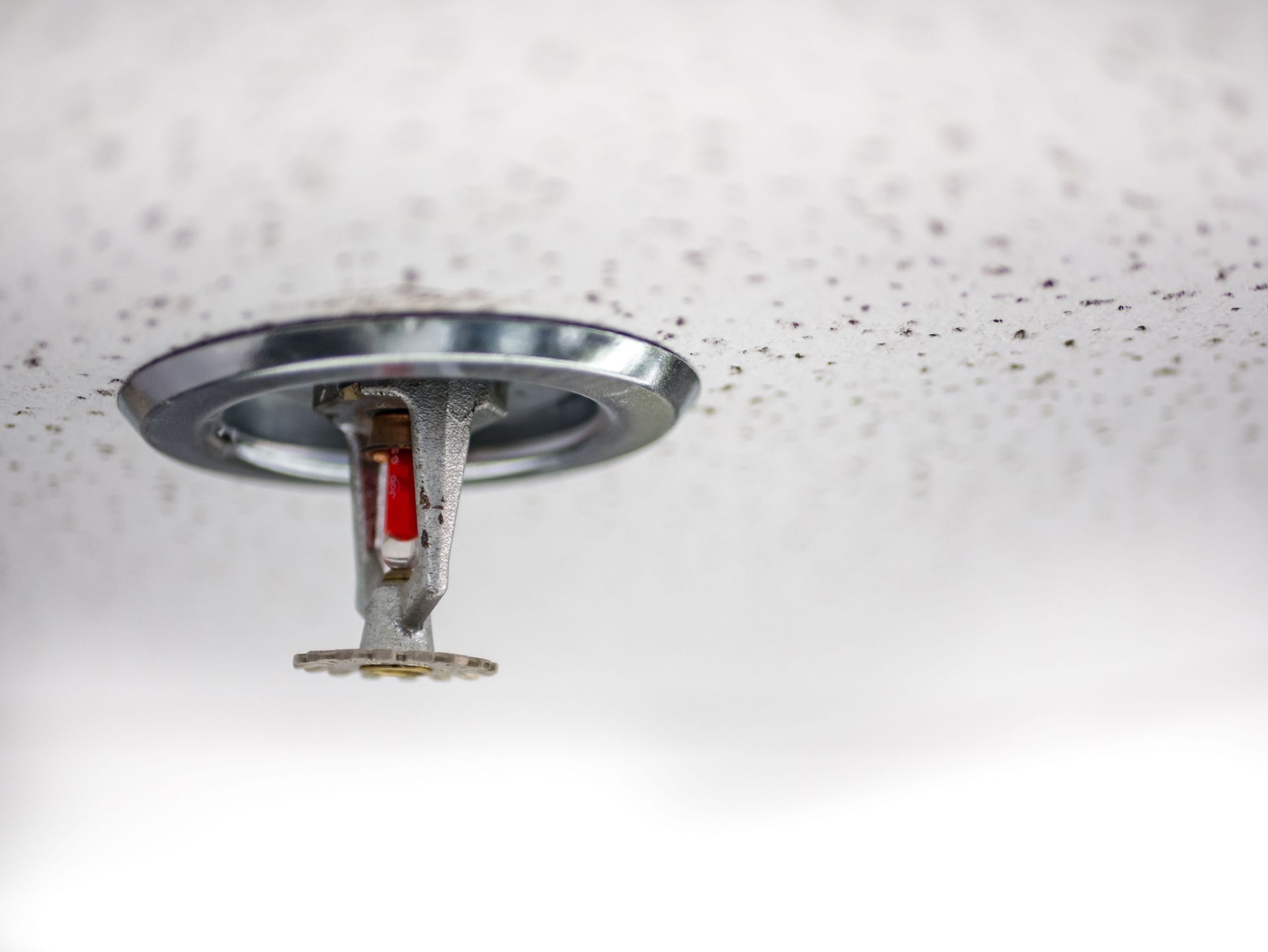
The primary mechanism by which an automatic suppression assembly protects a facility is rapid, localized containment. When a fire breaks out, ambient heat triggers thermal elements on specific sprinkler heads directly adjacent to the ignition source, releasing pressurized water within seconds. This immediate action prevents thermal runaway and confines combustion to its initial perimeter. In densely populated urban settings or tightly clustered commercial parks, stopping a fire before it breaches interior partitions protects adjoining suites and neighboring properties from catastrophic exposure. According to the American Fire Sprinkler Association, sprinkler systems reduce fire damage by up to 97 percent. By stopping flame propagation during the incipient phase, an installation engineered by a qualified fire sprinkler company preserves entire enterprise operations that might otherwise face insolvency.
Mitigating Thermal and Heat-Induced Damage
Beyond visible flames, extreme thermal energy poses a severe threat to commercial structures and interior mechanical assets. Fires generate intense heat waves that rapidly weaken load-bearing columns, warp steel joists, melt utility conduits, and ignite secondary materials through flashover. Sprinkler systems mitigate thermal damage by discharging atomized water droplets that absorb immense amounts of heat via evaporative cooling. This rapid drop in ambient temperature protects building occupants, eases emergency rescue access for first responders, and prevents structural steel from reaching dangerous failure thresholds. By controlling internal ambient temperatures, suppression hardware minimizes physical degradation, allowing businesses to resume essential functions without rebuilding entire facilities.
Minimizing Water Output with Targeted Suppression
A persistent myth suggests that fire sprinklers saturate an entire building during a localized incident, causing uncontrolled water damage. In reality, modern suppression hardware operates selectively, with individual heads activating solely in response to localized thermal thresholds. Standard commercial sprinklers discharge between 15 and 25 gallons of water per minute, whereas high-pressure municipal fire hoses routinely pump hundreds of gallons per minute into a blaze. By releasing only the minimum water necessary to suppress combustion, advanced systems avoid widespread collateral flooding. Collaborating with an experienced fire sprinkler company guarantees that hydraulically balanced pipe networks deliver pinpoint suppression, protecting structural drywall, specialized floorings, and sensitive building infrastructure from unnecessary moisture exposure.
Protecting High-Value Inventory and Commercial Assets
For warehousing, manufacturing, logistics, and retail operations, inventory loss represents one of the greatest operational and financial vulnerabilities. When combustion strikes warehouse racking, unmitigated flames can consume raw materials, finished consumer goods, and critical machinery in mere minutes. Specialized suppression configurations, such as Early Suppression Fast Response (ESFR) setups, deliver high-momentum water streams that penetrate combustion plumes and protect stacked freight. A knowledgeable fire sprinkler company assesses specific storage hazards, flammable liquid classifications, and shelf arrangements to design custom protective matrices. Safeguarding finished inventory maintains essential supply chain pipelines, ensures customer fulfillment schedules remain intact, and protects brand reputation in volatile commercial markets.
Preserving Core Structural Frameworks
The structural stability of any facility depends upon the resilience of its primary framework, including concrete reinforcement, steel trusses, and exterior bearing walls. Prolonged exposure to extreme fire temperatures degrades these architectural components, risking sudden collapse and permanent condemnation. Automatic sprinkler systems act as an immediate thermal buffer, cooling structural elements before irreparable metallurgical or masonry degradation occurs. Preserving core frameworks significantly accelerates post-incident rehabilitation, transforming potential total teardowns into manageable localized repairs. This preservation protects the capital investment of commercial stakeholders and allows restoration professionals to remediate impacted spaces without reconstructing foundational architecture.
Leveraging Smart Detection and Automated Systems
Modern safety engineering increasingly incorporates intelligent micro-sensors, flow switches, and connected telemetry into suppression infrastructure. Modern systems communicate continuously with broader building automation frameworks, alarm panels, and emergency ventilation controls. Upon discharge, flow switches instantly alert central monitoring teams, close fire dampers to prevent smoke migration, illuminate designated exit egresses, and recall elevators to ground levels. A reputable fire sprinkler company utilizes these integrated protocols to eliminate communication delays and reduce response intervals. By synchronizing active fire suppression with intelligent building systems, facilities establish a multi-layered safety shield that protects physical property and human life concurrently.
Adopting Sustainable and Eco-Friendly Technologies
Environmental stewardship has transformed contemporary building standards, and automatic fire suppression is keeping pace through sustainable design practices. Modern installations utilize recyclable steel piping, non-toxic suppression agents, and precision nozzles engineered to optimize spray geometry while conserving water reserves. Low-pressure water mist configurations atomize liquid into microscopic droplets, achieving superior fire suppression efficiency with a fraction of traditional water consumption. Furthermore, containing a blaze rapidly limits the atmospheric release of toxic combustion gases, particulate matter, and contaminated runoff. Today, forward-thinking safety engineers design sustainable systems that meet rigorous municipal green building standards without compromising life safety or property resilience.
Deploying Remote Monitoring and System Diagnostics
The integration of the Industrial Internet of Things (IIoT) into fire safety hardware has made proactive facility management accessible from anywhere. Digital pressure sensors, ultrasonic flow meters, and tamper switches provide real-time updates regarding system readiness, line pressures, and valve positions. Facility managers receive automated notifications if static pressure drops or if isolation valves are inadvertently closed during routine mechanical work. Partnering with a dedicated fire sprinkler company for connected monitoring enables predictive maintenance, catching minor pipe corrosion or pressure anomalies long before they escalate into costly failures. Continuous data visibility ensures that safety assemblies remain completely operational around the clock.
Customizing Engineering for Diverse Facility Layouts
Architectural complexity demands bespoke fire protection approaches rather than generic, off-the-shelf arrangements. A high-density data server facility housing sensitive computer hardware requires pre-action or clean-agent suppression, whereas an unheated commercial distribution warehouse demands dry-pipe configurations. Designing an effective layout requires evaluating ceiling heights, airflow dynamics, occupational hazard classifications, and ambient temperature variances. When planning structural upgrades, a specialized fire sprinkler company conducts thorough hydraulic calculations and structural analyses to ensure code-compliant coverage. Bespoke system design guarantees that every square foot of an industrial or commercial property receives optimal protection tailored to its operational realities.
Ensuring Rigorous Regulatory and Code Compliance
Navigating state building mandates, municipal fire ordinances, and National Fire Protection Association (NFPA) standards is essential for maintaining building occupancy permits and insurance validity. Regular inspections, backflow testing, hydraulic re-certifications, and annual functional tests ensure suppression equipment operates flawlessly during emergencies. Failing to adhere to mandatory inspection timelines leaves property managers vulnerable to devastating municipal fines, legal liabilities, and denied insurance claims following a casualty. Property managers rely on a licensed fire sprinkler company to perform mandatory periodic evaluations, document system health, and complete necessary retrofits. Rigorous compliance safeguards financial investments and confirms that property safety measures withstand official scrutiny.
Investing in robust suppression infrastructure delivers measurable economic returns through discounted commercial insurance premiums, minimized downtime, and sustained structural protection. When facilities prioritize comprehensive fire safety, reliable suppression hardware stands as an indispensable guardian, transforming potential structural catastrophes into manageable, localized incidents. To safeguard your commercial facility, protect your capital investment, and ensure round-the-clock peace of mind, contact TDK Enterprises, Inc. today to schedule a comprehensive system consultation.